
Planning a VBAC in Central Ontario: Your Guide to Birth in Collingwood, Barrie or Orangeville
If you’re planning a Vaginal Birth After Cesarean (VBAC), you likely have a lot of questions about what is allowed, what is safe, and who will support you. Whether you’re dreaming of a quiet homebirth in Orangeville or a supported hospital birth at RVH in Barrie or CGMH in Collingwood, the local landscape is full of options. At Doula by the Bay, we specialize in helping families navigate a Trial of Labour After Cesarean (TOLAC) with confidence and evidence-based care.
Hospital VBAC (RVH, CGMH, and Headwaters)
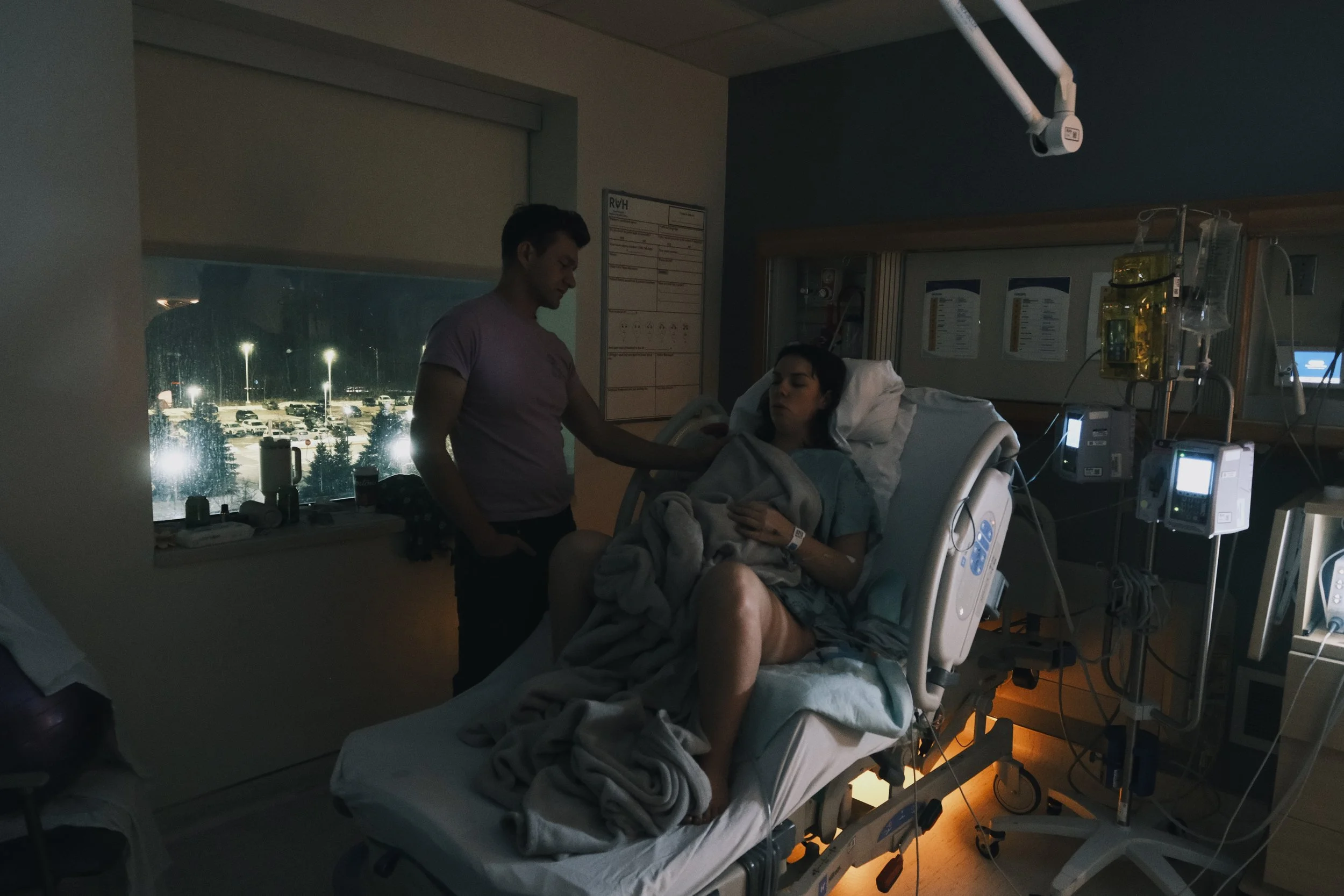
Barrie (RVH): As a regional hub, Royal Victoria Regional Health Centre has 24/7 access to anesthesia and surgical teams, making it a common choice for VBACs requiring closer monitoring.
Collingwood (CGMH): Known for its "same-room" maternity model, CGMH offers a more intimate environment for VBAC parents who want a smaller hospital feel.
Orangeville (Headwaters Health Care Centre): A fantastic community hospital that supports VBACs with a focus on family-centered care.
1. Choosing Your Birth Location
In Central Ontario, your options for a VBAC depend heavily on your care provider and your personal health history.
Homebirth VBAC (HBAC)
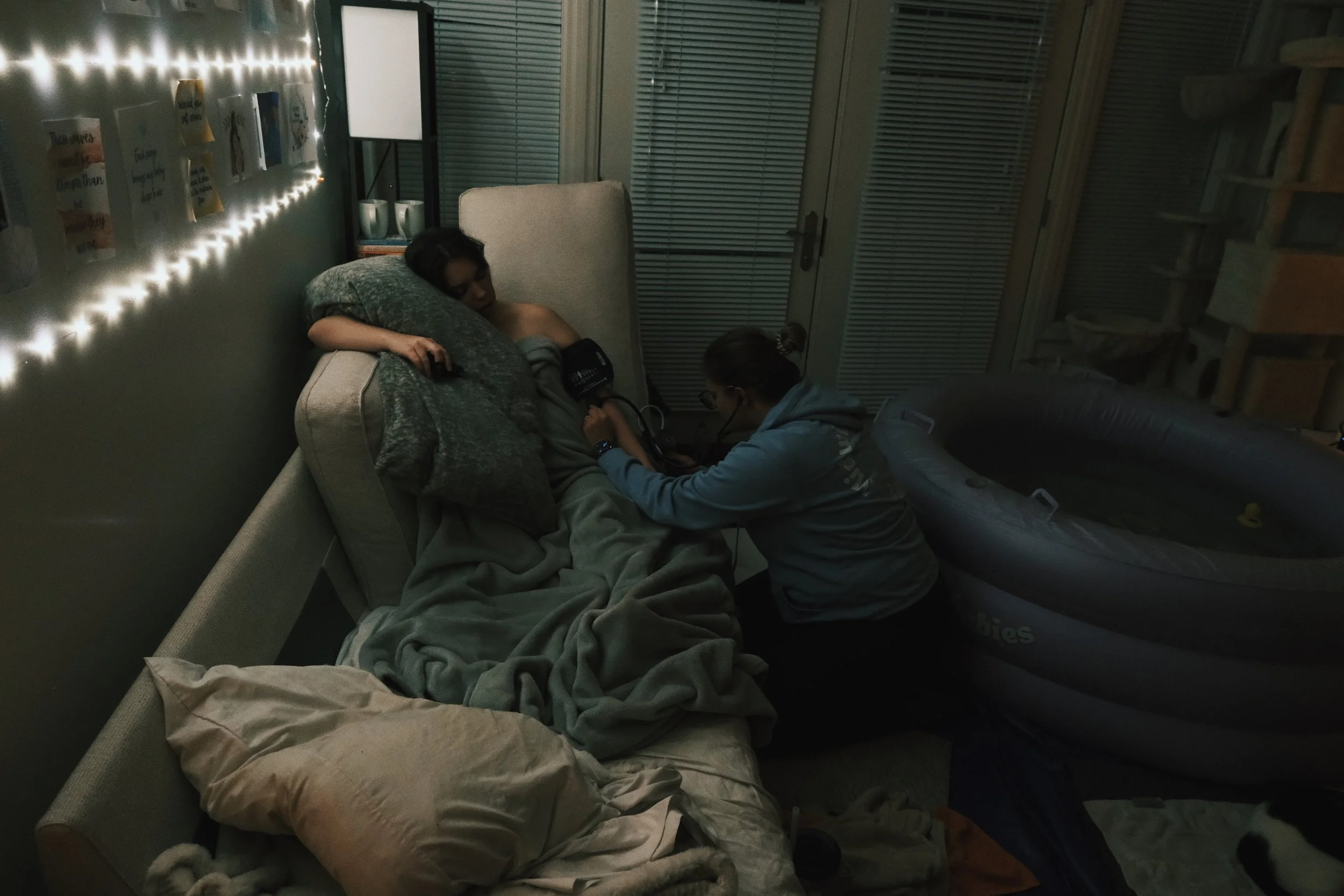
Yes, homebirth after a Cesarean is an option in Ontario! If you are a candidate for a low-risk VBAC, Midwives in our region may support a homebirth.
Note: This requires a detailed consultation with your midwifery team (such as Midwives Nottawasaga or Midwives of Barrie) to ensure you meet the provincial safety guidelines for an out-of-hospital VBAC.
2. Secure a VBAC-Supportive Provider
The "secret" to a successful VBAC is having a provider who views it as a normal physiological process rather than a medical emergency waiting to happen.
Midwifery Care: Midwives are the primary choice for families seeking a homebirth VBAC. They offer longer appointments to discuss your previous birth and help heal any emotional trauma.
OBGYN Care: If you have a higher-risk profile, a supportive OBGYN at Collingwood Women’s Health or Barrie Obstetrics can work with you to create a plan that respects your desire for a vaginal delivery while prioritizing safety.
The RVH obstetrical team works closely with midwives and has a formal policy to offer TOLAC to all eligible patients. These are some VBAC-supportive providers in Barrie:
Dr. Maryse Lavoie: Dr. Lavoie is frequently cited by patients and midwives for her supportive stance. She is known for being evidence-based and respectful of a birthing person's autonomy.
Dr. Avi Vandersluis: Often works alongside Dr. Lavoie and shares a similar reputation for providing balanced, supportive care for TOLAC candidates.
Dr. Kaitlyn Adare: A newer addition to the team who has been noted for her modern, patient-focused approach.
Barrie Area Midwives: If you are looking for a midwifery-led TOLAC, this group has full privileges at RVH. They act as your primary care providers and only consult the OBs (like Dr. Lavoie) if a specific medical need arises. They are strong advocates for TOLAC and will stay with you "one-on-one" during your active labour at RVH.
CGMH is a Level 1 unit, which often allows for a more "small-town," personalized feel during your TOLAC. These providers may be most supportive of your plan for a VBAC:
Dr. Melanie Zimmermann: Recently joined the Collingwood team (2024). Her practice profile explicitly highlights a focus on "patient-centered care" and offering a "full range of delivery options."
Dr. Sharon O’Brien: Highly experienced, she joined CGMH after a long career in high-risk obstetrics in Toronto and is well-versed in managing TOLACs.
Midwives Nottawasaga: This is the primary midwifery group for Collingwood. They are deeply committed to the "Informed Choice" model. If you are a client of theirs, they will manage your TOLAC at CGMH and have a collaborative relationship with the OBs listed above for any necessary consultations.
A Pro-Tip for Consults:
When meeting with any of these providers, you might find it helpful to ask:
"What is your personal success rate for patients who attempt a TOLAC, and what is your 'cut-off' for allowing a labour to progress (e.g., will you support me going to 41 weeks)?"
This helps move the conversation from "Yes, I support it" to "Here is how I support it."
3. The Physical Prep: Local Experts
To give your baby the best chance of navigating the pelvis, alignment is everything. We recommend these local pros:
Barrie: See Dr. Sarah Racicot (Integrated Health Connections) for specialized prenatal chiropractic care.
Collingwood: Visit Dr. Melissa Longo (Thrive Chiropractic) for pelvic balancing and the Webster Technique.
Orangeville: Connect with Headwaters Physiotherapy for pelvic floor prep to ensure your muscles are ready to release during the pushing stage.
4. Understanding the "VBAC Mindset"
A successful VBAC often starts between the ears.
Process the Previous Birth: Many VBAC parents carry "failure to progress" or "emergency" trauma. A doula helps you unpack that story so it doesn't stall your current labour.
Wait for Spontaneous Labour: In our region, success rates are highest when labour starts on its own. Avoid the "induction trap" unless medically necessary.
Use the B.R.A.I.N. Acronym: Always ask about Benefits, Risks, Alternatives, Intuition, and what happens if you do Nothing.
5. Why a Doula is Essential for VBAC
Whether you are in a hospital bed in Orangeville or a birth pool in your Barrie living room, a doula provides:
Continuous Support: We never leave your side, which is clinically proven to reduce repeat C-section rates.
Positional Skills: We use the Peanut Ball (essential for hospital VBACs with epidurals) and the Miles Circuit to keep things moving.
Advocacy: We make sure your birth plan is read and respected by the shifting nursing staff.
Your Body, Your Birth
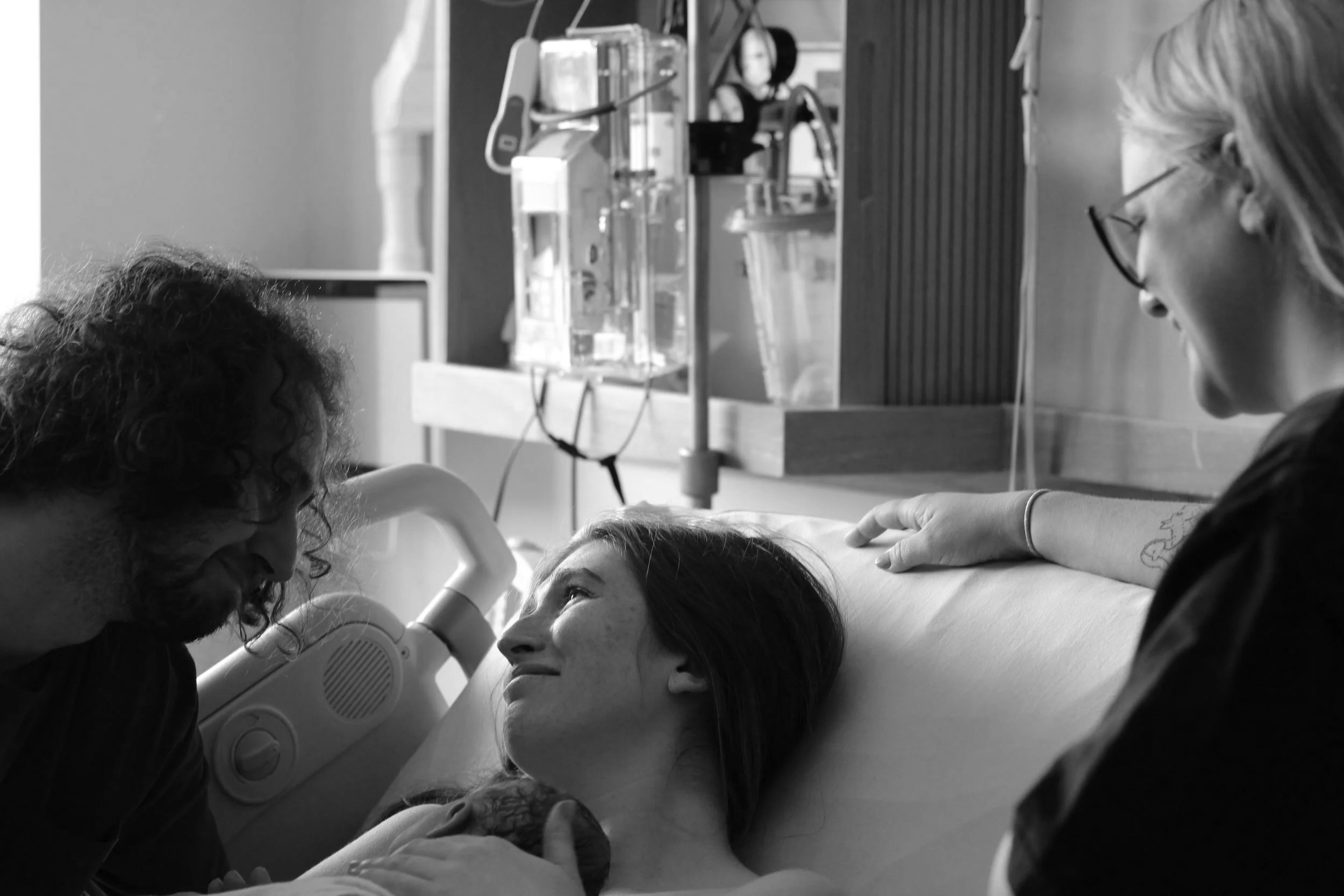
Whether you are in Collingwood, Barrie, or Orangeville, a VBAC is a powerful way to reclaim your birth experience. At Doula by the Bay, we are here to support your "Trial of Labour" with heart and expertise.