
The Newborn Vitamin K Shot: A Researcher’s Guide for Ontario Parents
As a Birth Doula for over 10 years, one of the most common questions I receive from families working with a doula in Barrie or Collingwood is: "Is the Vitamin K injection truly necessary?"
To answer that, we have to look at the evidence regarding Vitamin K Deficiency Bleeding (VKDB)—a rare but serious condition that can occur in otherwise healthy infants.
Why Newborns Are "Vitamin K Deficient"
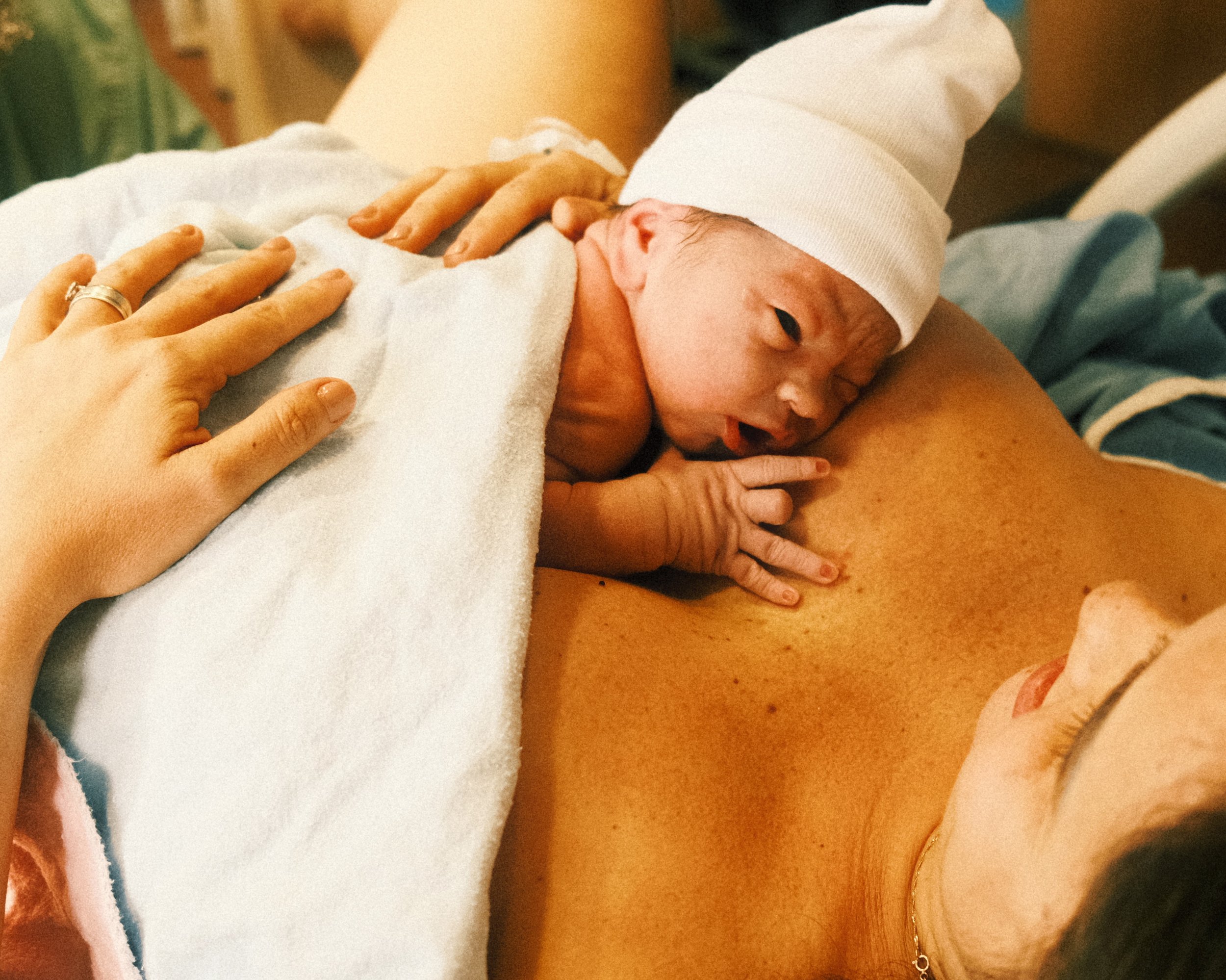
It is a biological fact: nearly all babies are born with very low levels of Vitamin K. There are three primary reasons for this:
Placental Barrier: Vitamin K does not cross the placenta easily during pregnancy.
Gut Microbiome: Newborns haven't yet developed the gut bacteria required to synthesize their own Vitamin K.
Breast Milk Levels: While breast milk is the gold standard for nutrition, it is naturally very low in Vitamin K.
The Evidence: Benefits of the Vitamin K Injection
Systematic reviews, including the definitive Cochrane Review, show that a single intramuscular (IM) injection of 1 mg of Vitamin K at birth is the most effective way to prevent all forms of VKDB.
VKDB in Untreated VS Treated Babies:
Early VKDB
Occurrence: Within 24 hrs after birth
Risk (Untreated): Extremely rare (up to 12% if mother is on certain medications)
Risk (Treated): Extremely rare
Symptoms: Scalp/skin bruising, bleeding into chest/abdomen, or brain bleed
Severity/Onset: Rapid & Severe. Can occur before the first dose of Vit K is even possible.
Death/Disability (Untreated): High Severity. Life-threatening if internal, but often managed in-hospital.
Death/Disability (Treated): Negligible. Fatalities are almost unheard of in treated infants.
Classic VKDB
Occurrence: 2 to 7 days after birth
Risk (Untreated): 0.25% to 1.7% (1 in 60 to 400 babies)
Risk (Treated): Near zero
Symptoms: Bleeding from umbilicus, nose, or circumcision; bloody/tarry stool
Severity/Onset: Variable. Often starts with visible "warning" bleeds.
Death/Disability (Untreated): Low Risk. Typically non-fatal if medical care is accessible.
Death/Disability (Treated): Near zero.
Late VKDB
Occurrence: 2 weeks to 6 months after birth
Risk (Untreated): 4.4 to 7.2 per 100,000 (81x higher than treated)
Risk (Treated): < 1 per 100,000
Symptoms: Sudden seizures, bulging soft spot, lethargy, or extreme irritability
Severity/Onset: Catastrophic. 30–60% present as sudden brain bleeds with no warning signs
Death/Disability (Untreated): Extremely High Risk. 20% die; 40% of survivors suffer permanent brain damage
Death/Disability (Treated): Near Zero. The injection is specifically designed to prevent this window
The Critical "Late-Onset" Window
The most significant benefit of the injection is the prevention of Late VKDB. Without the shot, infants are 81 times more likely to develop late-onset bleeding. Late VKDB rarely has a "slow start." This is particularly dangerous because 30% to 60% of these cases involve bleeding into the brain (intracranial hemorrhage), which can lead to permanent brain damage or death.
The Impact of Maternal Medications
For Early VKDB, the risk is negligible for most, but if you are taking anticonvulsants (e.g., Dilantin, Phenobarbital), TB medications (Isoniazid), or certain blood thinners, the risk of a severe bleed in the first 24 hours can jump to as high as 6% to 12%. In these high-risk cases, the injection is considered an emergency prophylactic.
Breastfeeding and "Warning Bleeds"
Classic VKDB often provides "warning bleeds" (small amounts of blood at the umbilical stump) that allow for intervention. Late VKDB occurs almost exclusively in exclusively breastfed infants because breast milk—while the gold standard for nutrition—is naturally very low in Vitamin K. Without the "reserve" provided by the injection, the baby’s levels can drop to zero before they start solid foods at 6 months.
The Risks: Fact vs. Fiction
As a childbirth educator and doula, I take parental concerns seriously. Let’s look at what the meta-analyses say about the reported risks:
1. The Leukemia Myth
In the early 1990s, one small study suggested a link between the Vitamin K injection and childhood leukemia. This sparked decades of intensive research. Multiple large-scale systematic reviews and meta-analyses involving millions of children have since been conducted. The consensus is definitive: There is no evidence of a causal link between Vitamin K and childhood cancer.
2. Pain and Stress
The injection does cause brief pain. However, research shows that this stress can be significantly mitigated through "comfort measures" like skin-to-skin contact or breastfeeding during the administration.
3. Jaundice
Older studies using extremely high doses (30–60 times the current standard) showed an increase in jaundice. At the standard 1 mg dose used today, meta-analyses show no increased risk of clinically significant jaundice in term infants.
4. Maternal Nutrition
Many believe that a diet rich in leafy greens will boost the Vitamin K levels in their breast milk enough to skip the newborn injection. However, even if a mother consumes massive amounts of Vitamin K, two biological barriers prevent that protection from reaching the baby:
The Placental Barrier: Vitamin K is a fat-soluble molecule that travels poorly across the placenta. Babies are naturally born with extremely low stores (about 1/30th to 1/100th of adult levels), regardless of what the mother ate during pregnancy.
The Breast Milk Barrier: Human breast milk is evolutionarily designed to be low in Vitamin K. Even with a high-K diet, the "transfer efficiency" into milk is very poor. To provide a baby with the same amount of Vitamin K found in the standard injection, a mother would have to consume roughly 5,000% of the daily recommended intake every single day, and even then, the baby's absorption isn't guaranteed.
5. “Nature Knows Best”
"Nature" is a process of "good enough," not "perfect." Nature provides enough Vitamin K for the majority of babies to survive, but it leaves a small percentage at risk of catastrophic bleeding. Some researchers theorize that keeping Vitamin K levels low in utero may protect the fetus from potential toxicity or rapid cell division issues, or that it’s a trade-off for other developmental advantages.
Modern medicine doesn't "fix" nature; it completes it. By giving the Vitamin K shot, we are providing the "store" that the placenta was unable to deliver, protecting the baby until their own gut bacteria can take over the job.

Interesting Fact: Formula is fortified to prevent bleeding.
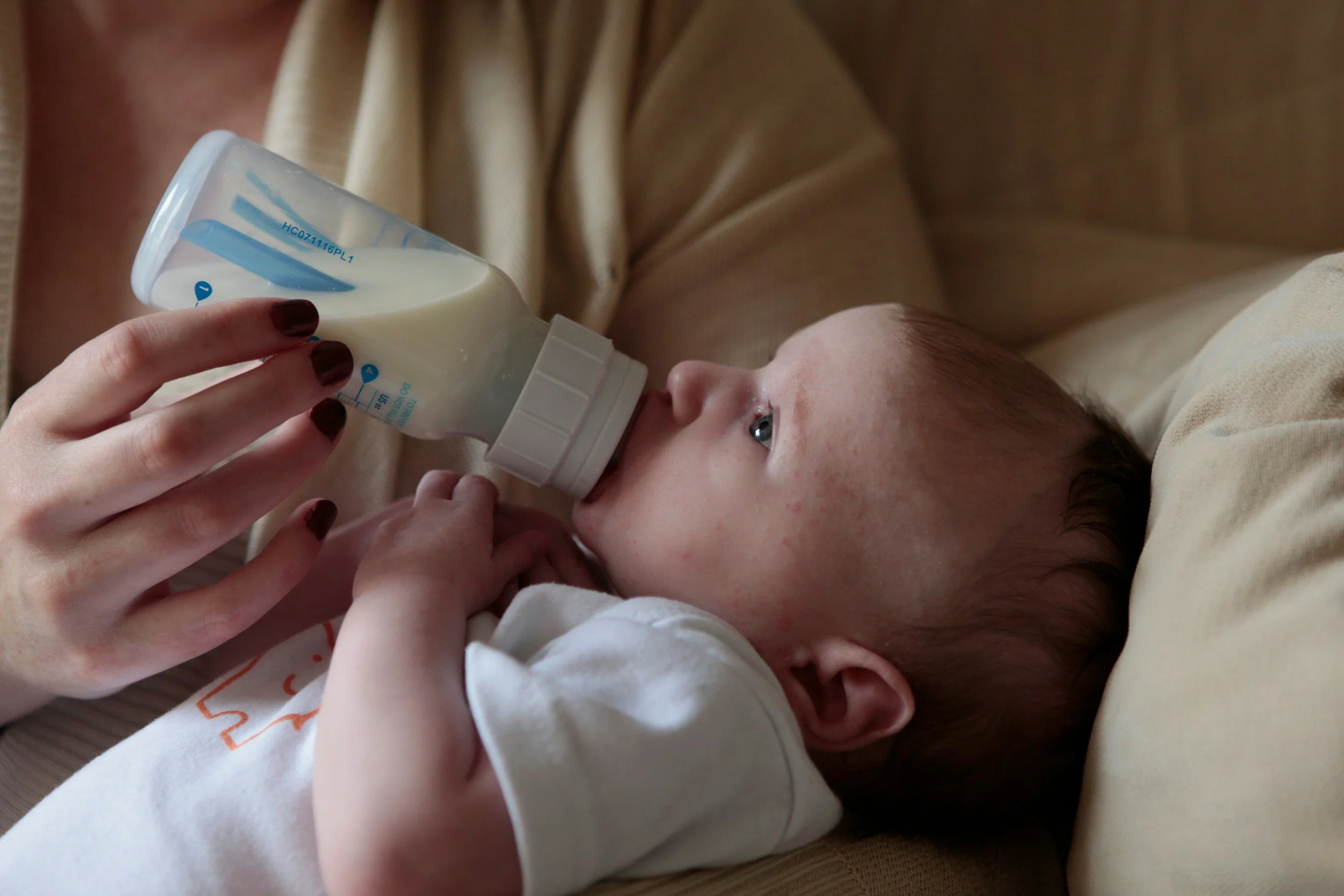
Because we know breast milk is naturally low in Vitamin K, infant formula is heavily fortified with it. This is why Late VKDB is almost never seen in formula-fed infants; they receive a steady "micro-dose" in every bottle. For breastfed babies, the injection acts as that necessary reserve until they start eating solids.
While the risk for VKDB is much lower in exclusively formula-fed babies, milk intake quantities in the first days and weeks of life are very small and may not provide an amount of Vitmain K sufficient to prevent Early or Classic VKDB. Therefore, babies who will be formula fed still benefit from the reduced risks associated with the Vitamin K injection.
Alternatives: What About Oral Vitamin K?
Many parents ask if they can skip the needle and use oral drops instead. While the data shows that oral Vitamin K is better than no Vitamin K at all, it comes with some caveats:
Absorption Issues: Oral Vitamin K is not absorbed as reliably as the injection, especially if a baby has an undiagnosed liver issue (like biliary atresia).
The "Three-Dose" Requirement: To be even moderately effective against Late VKDB, babies must receive multiple doses (at birth, one week, and one month). Meta-analyses show that "real-world" effectiveness is lower because doses are often missed or vomited up.
Comparison: A 2025 cohort study confirmed that the risk of late-onset bleeding remains significantly higher with oral regimens compared to the single IM injection.
Conclusion
The Vitamin K injection is a rare example of a medical intervention where the benefit-to-risk ratio is incredibly lopsided. While VKDB is rare, it is catastrophic when it occurs—and it is almost entirely preventable.
Making an Informed Choice in Simcoe & Dufferin County
Whether you are planning to give birth at Royal Victoria Regional Health Centre, Collingwood General & Marine Hospital, Headwaters Health Care Centre, or at home with a midwife, the Vitamin K shot remains the most evidence-based way to prevent life-threatening bleeding.
Key Research & Citations
Cochrane Review on Prophylaxis: Vitamin K for preventing VKDB in newborns
Leukemia Meta-Analysis: Childhood leukaemia and intramuscular vitamin K: Findings from a case-control study
CDC Fact Sheet on VKDB: How to Protect Babies from Life-threatening Bleeding
Evidence Based Birth Analysis: The Evidence for the Vitamin K Shot in Newborns
Late VKDB Risk Analysis: Incidence of Late-Onset VKDB in Canada (CPSP)