
The Science of Safe Infant Sleep:
Why "Back-is-Best" Remains Paramount
For decades, the recommendation for infants to sleep on their backs has been a cornerstone of safe sleep guidelines, leading to a dramatic reduction in Sudden Infant Death Syndrome (SIDS). As a scientific researcher in neonatal health, I've seen the evidence consistently reinforce this message. While curiosity about tummy sleeping is natural, especially as infants grow, the data is unequivocal for the vast majority of infancy.
Let's break down what the highest-quality research—systematic reviews and meta-analyses—tells us about infant sleep positions.
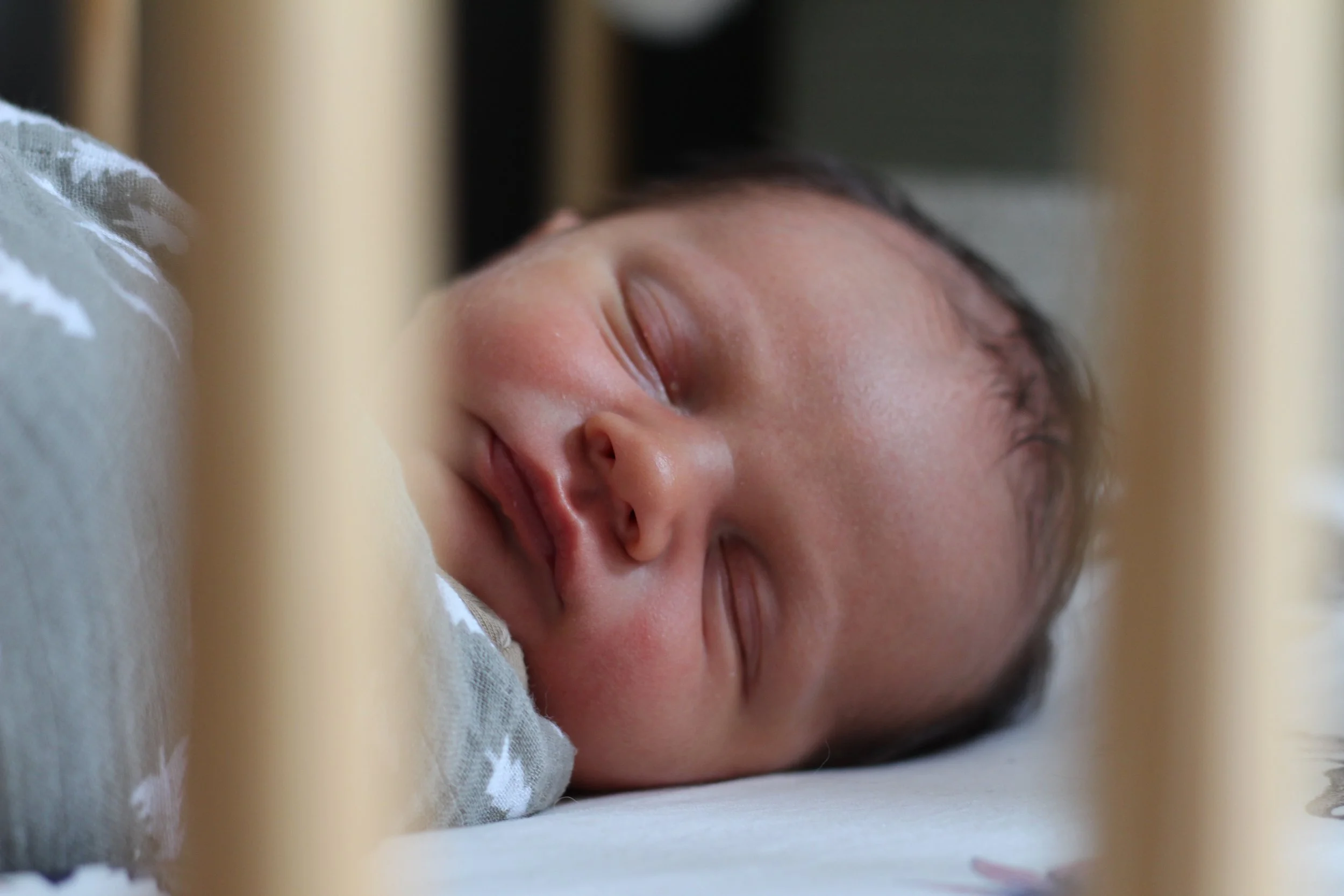
The Overwhelming Evidence for "Back-is-Best" (Supine Sleep)
The global "Back to Sleep" (or "Safe to Sleep" in the US) campaigns, initiated in the early 1990s, were directly informed by robust epidemiological studies. Subsequent systematic reviews and meta-analyses have solidified the understanding that supine (back) sleep significantly reduces the risk of SIDS.
Key Findings from Research:
Reduced SIDS Risk: Multiple meta-analyses consistently demonstrate that infants sleeping on their backs have a substantially lower risk of SIDS compared to those sleeping on their stomachs or sides. The odds ratio for SIDS is significantly higher for prone (tummy) sleepers.
Physiological Mechanisms: While the exact cause of SIDS remains elusive, research suggests that back sleeping helps maintain an open airway, prevents overheating, and allows for easier arousal from sleep if breathing becomes compromised. Prone sleeping, conversely, can lead to rebreathing of exhaled air (increasing CO2 levels) and thermal stress.
Consistency Across Populations: These findings are consistent across various populations and geographical regions, reinforcing the universality of the recommendation.
The take-home message from a scientific perspective: For the first year of life, and especially during the critical period of 0-6 months, the safest sleep position for an infant is on their back.
The Nuance of Tummy Sleep: When is it Safe?
This is where the distinction between unsupervised sleep and supervised awake time becomes crucial.
During Sleep: No Tummy Sleep for Young Infants: Systematic reviews do not support safe tummy sleeping for infants, especially those under 6 months of age, during unsupervised sleep periods. The risk of SIDS remains elevated.
When It Becomes "Safe": When They Can Roll Both Ways Independently: The consensus among pediatric bodies, informed by research, is that once an infant can consistently roll from their back to their tummy AND from their tummy to their back independently, they can be allowed to find their own sleep position.
This typically occurs around 4 to 6 months of age, but the key is consistent, unassisted rolling in both directions.
Even then, it is still recommended to always place an infant on their back at the start of sleep. If they roll over on their own, it's generally considered safe to leave them, provided all other safe sleep guidelines (firm mattress, no loose bedding, etc.) are being followed. This is because their muscle development and airway control are sufficiently mature to allow them to reposition themselves if needed.
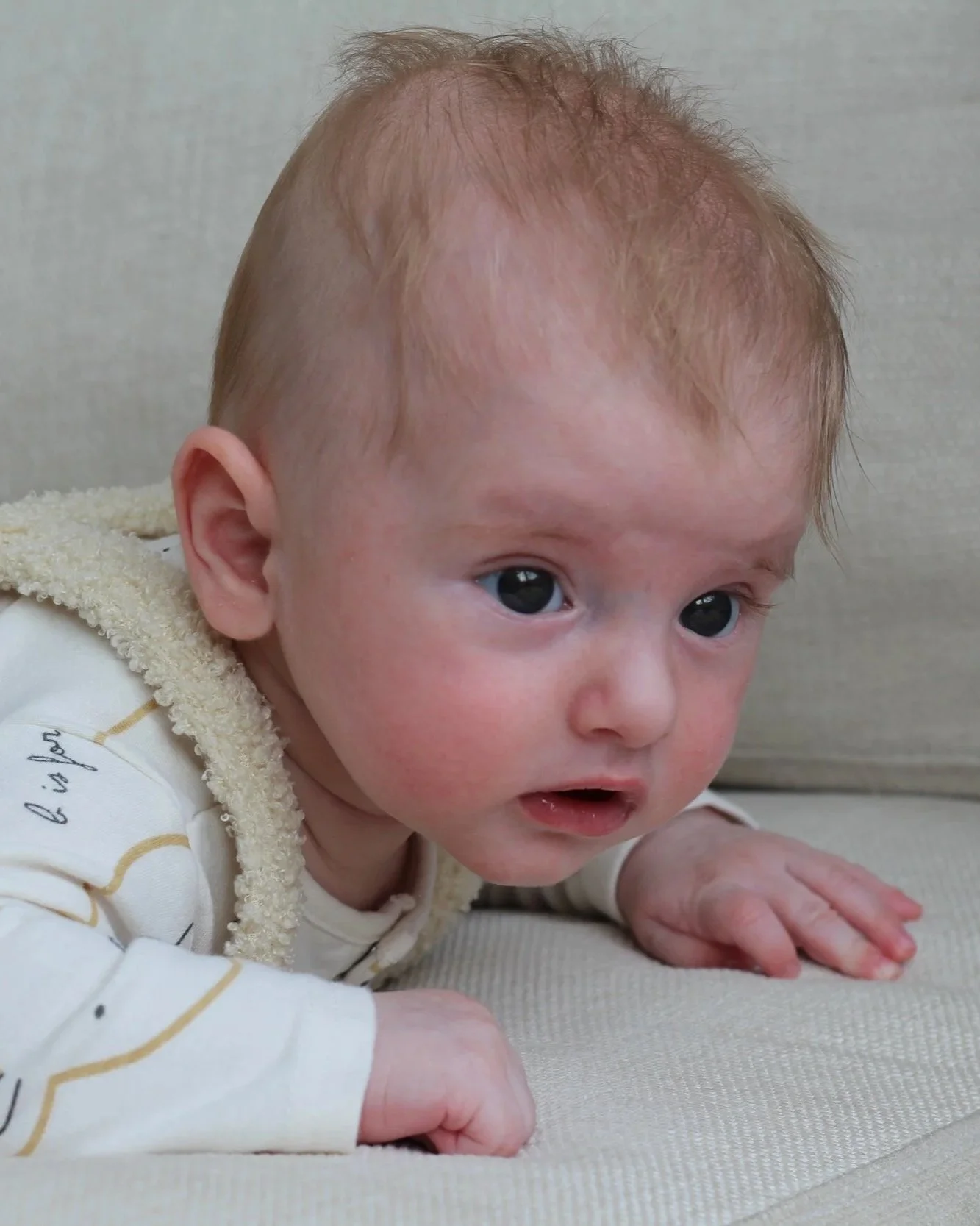
Why Tummy Time (While Awake and Supervised) is Still Crucial
While tummy sleeping is a no-go for young infants, tummy time while awake and supervised is vital for development.
Motor Development: Systematic reviews on motor development highlight the importance of tummy time for strengthening neck, shoulder, and core muscles. This helps prevent positional plagiocephaly (flat spots on the head) and is crucial for achieving developmental milestones like rolling, crawling, and sitting.
Cognitive Development: Tummy time offers a different perspective on their environment, stimulating visual and cognitive development. It also allows infants to express their natural reflexes, a key in normal, healthy neurological development and may help prevent retained reflexes.
My Recommendation as an Overnight Postpartum Doula: Prioritize Safety & Support
The evidence is clear: place your baby on their back for every sleep, every time, until they can consistently roll both ways independently. This is the most impactful action you can take to reduce the risk of SIDS.
For parents in Collingwood, Barrie, Orangeville and surrounding areas, navigating infant sleep, understanding these guidelines is key. If you're struggling to implement safe sleep practices due to exhaustion, or simply need an extra set of hands, overnight doula support can be invaluable. A night doula can help ensure your baby is always placed safely on their back, assist with soothing, and support you in maintaining a safe sleep environment, allowing you to get the restorative sleep you need.
Investing in Collingwood night doula services or Barrie overnight doula support means having a knowledgeable professional by your side, ensuring that while you rest, your infant's safety and well-being remain the top priority, all in accordance with the latest scientific recommendations.
Research References:
Moon, R. Y., et al. (2016). SIDS and Other Sleep-Related Infant Deaths: Evidence Base for 2016 Updated Recommendations for a Safe Infant Sleeping Environment. Pediatrics, 138(5), e20162940. (This is the foundational American Academy of Pediatrics policy statement, which is based on extensive systematic reviews and meta-analyses).
Task Force on Sudden Infant Death Syndrome. (2011). SIDS and Other Sleep-Related Infant Deaths: Expansion of Recommendations for a Safe Infant Sleeping Environment. Pediatrics, 128(5), 1030-1039. (An earlier but still highly relevant policy statement that heavily relies on systematic evidence).
Mitchell, E. A., & Blair, P. S. (2012). SIDS and Other Sleep-Related Infant Deaths: A Review of the Evidence Base for 2016 Updated Recommendations for a Safe Infant Sleeping Environment. Current Pediatric Reviews, 8(2), 127-142. (This review directly discusses the evidence for back sleeping and SIDS risk reduction).
Blair, P. S., et al. (2000). Infants sleeping prone are more likely to be found with the face covered. Archives of Disease in Childhood, 83(5), 450-451. (While older, this study contributed to the understanding of the mechanisms of SIDS risk in prone sleeping, specifically relating to airway obstruction and rebreathing, findings that have been consistently supported by subsequent reviews).
AAP Committee on Pediatric Physical Medicine and Rehabilitation; AAP Section on Developmental Behavioral Pediatrics. (2011). Developmental Issues for the Young Infant: Positional Plagiocephaly and Torticollis. Pediatrics, 128(6), 1236-1243. (This policy statement discusses the importance of supervised tummy time for motor development and the prevention of flat spots, which is a direct consequence of prolonged supine positioning without counter-balancing awake tummy time).