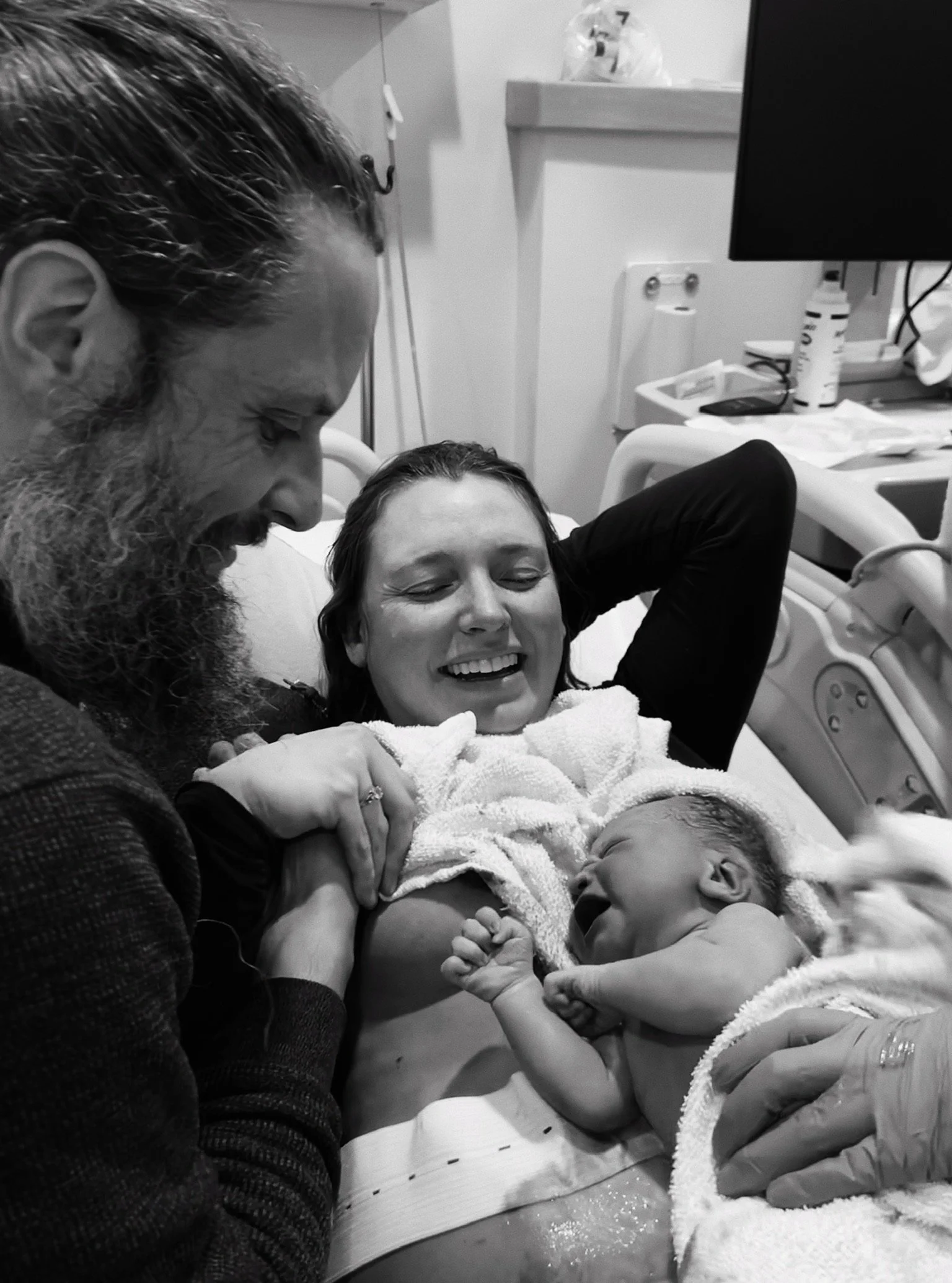
VBAC Evidence & Success:
A Mindful Guide to Vaginal Birth After Caesarean
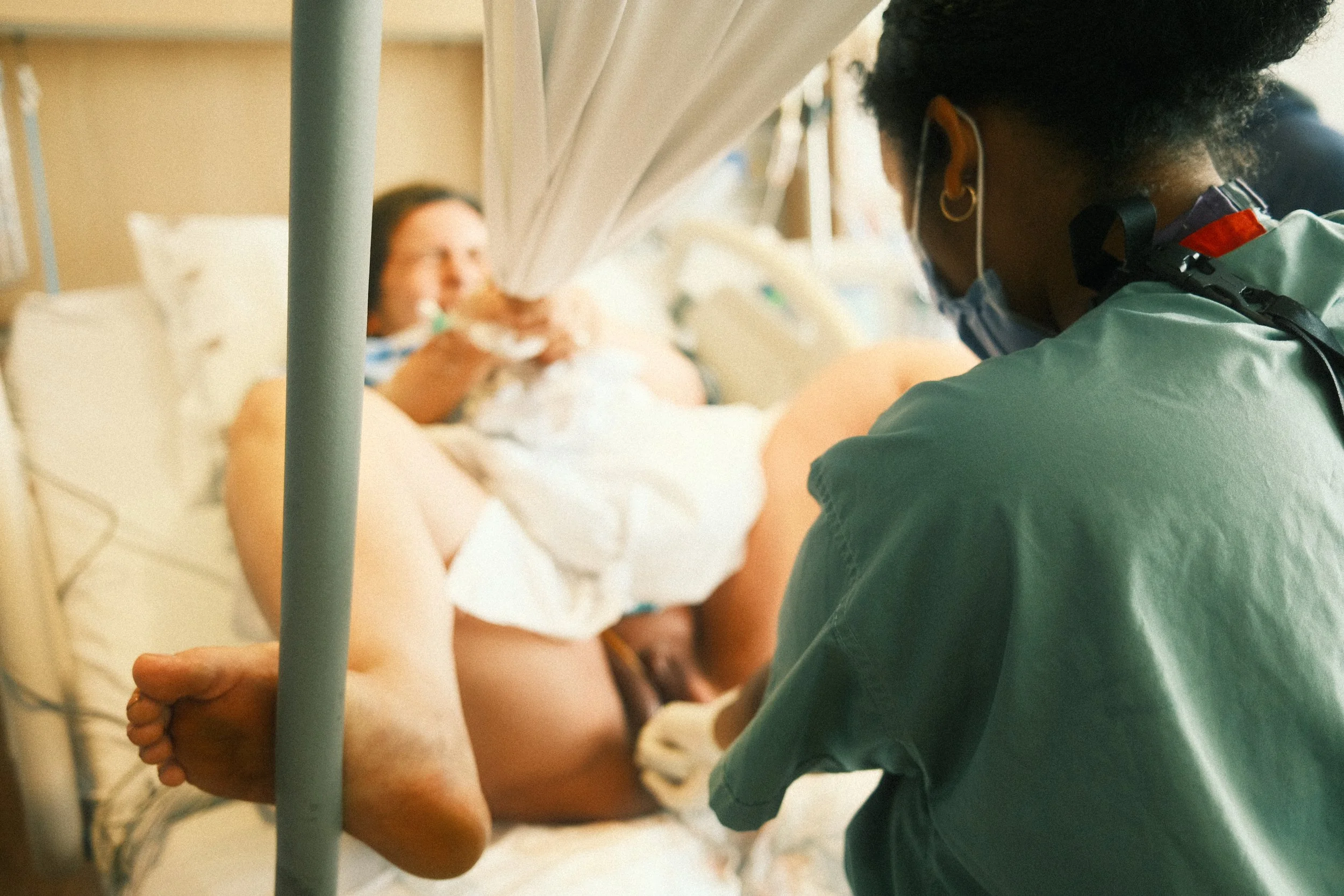
Navigating Your VBAC Journey with Confidence
For many families in Collingwood, Barrie, and Orangeville, the decision to pursue a Vaginal Birth After Caesarean (VBAC) is a deeply personal one. As a Childbirth Educator, my goal is to provide you with the objective data you need to move from a place of uncertainty to a place of empowered, informed consent.
Choosing a VBAC is not just about the "how" of birth; it is about reclaiming your rhythm and trusting the physiological process, supported by modern evidence.
The Evidence: VBAC Success Rates & Benefits
Research consistently shows that for the majority of people with one previous low-transverse Caesarean section, a Trial of Labour After Caesarean (TOLAC) is a safe and appropriate option.
VBAC Statistics at a Glance
Success Rate: Approximately 75% of people who attempt a VBAC will successfully give birth vaginally.
Repeat Success: If you have had a prior vaginal birth (either before or after your C-section), your success rate climbs to nearly 90%.
The "Why" Matters: Success rates vary slightly based on the reason for your initial C-section (e.g., a breech baby has a higher VBAC success rate than a "failure to progress" diagnosis).
Evidence-Based Benefits of a Successful VBAC
Faster Physical Recovery: Avoidance of major abdominal surgery allows for a quicker return to daily movement and yoga-based stretching.
Lower Infection Risk: Reduced risk of surgical site infections and postpartum haemorrhage.
Respiratory Benefits for Baby: The "squeeze" of a vaginal birth helps clear fluid from the baby’s lungs.
Easier Initial Breastfeeding: Many families find that the immediate skin-to-skin contact following a VBAC supports an easier initial latch and lactation journey.
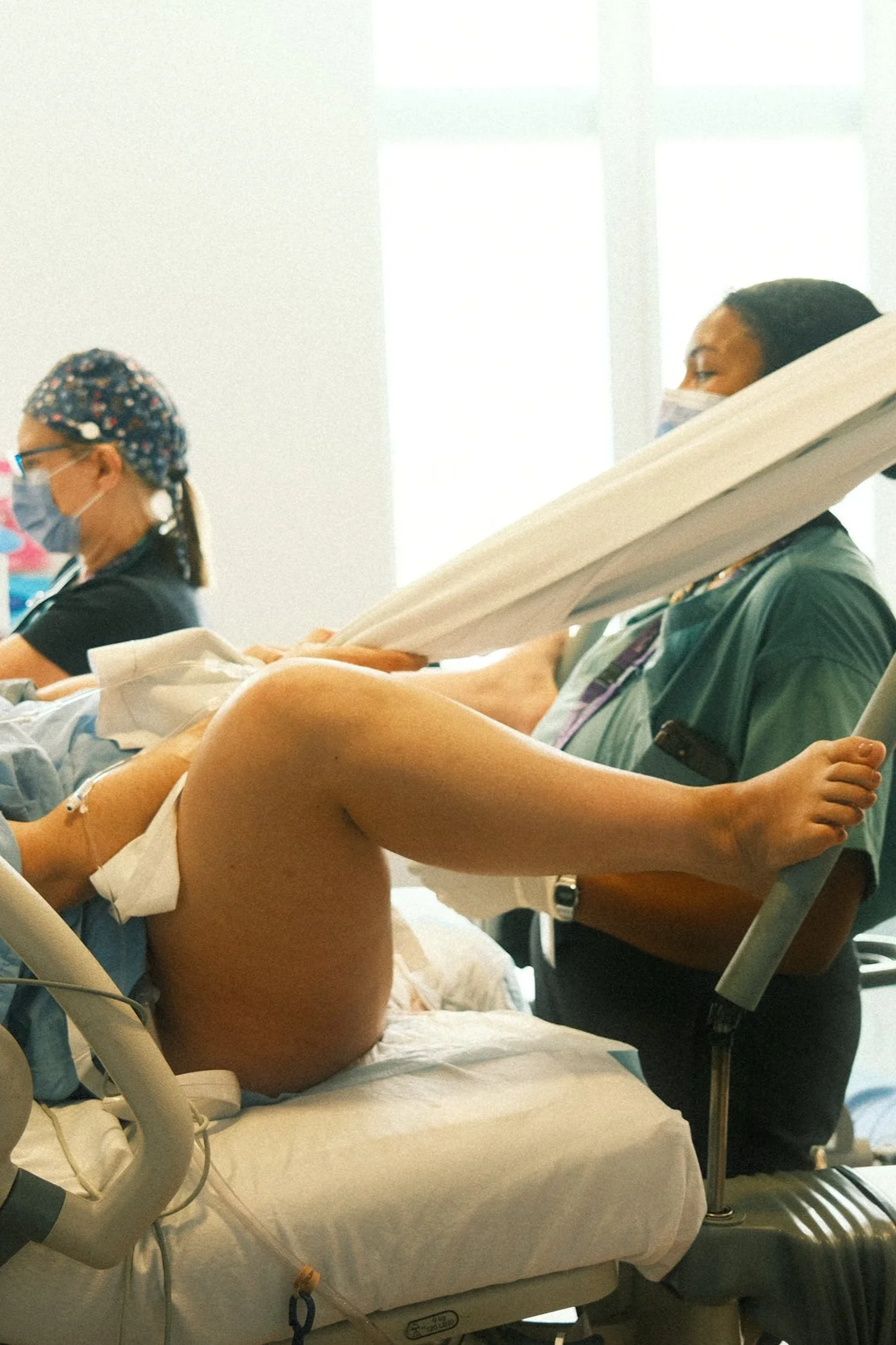
Understanding the Risks: Uterine Rupture
The primary concern during a VBAC is the risk of uterine rupture (the previous scar opening). While this is a serious event, it is statistically rare.
The Risk Level: The risk of uterine rupture during a TOLAC is approximately 0.5% to 0.9% (or about 1 in 200).
Context: For most low-risk families, the risk of complications from a repeat major surgery is statistically higher than the risk of a rupture.
Signs & Symptoms of Uterine Rupture
During your labour at hospitals like CGMH, RVH, or Headwaters, your team will monitor for these signs:
Abnormal Fetal Heart Rate: This is the most common sign (often a sudden drop in heart rate).
Severe, Localized Pain: Pain that persists between contractions, specifically over the previous scar site.
Loss of Fetal Station: The baby moving "up" rather than descending.
Vaginal Bleeding: Unexpected or heavy bright red blood.
Changes in Contraction Pattern: Surges suddenly becoming weaker or stopping entirely.
Factors That Influence Your VBAC Success
Factors That May Increase Success
Prior Vaginal Birth: The strongest predictor of a successful VBAC.
Spontaneous Labour: Entering labour on your own significantly boosts success rates.
Optimal Foetal Position: Using yoga and "Spinning Babies" techniques to ensure baby is well-positioned.
Continuous Doula Support: Having a dedicated "anchor" to manage stress and movement.
Factors That May Decrease Success
Induced Labour: Using certain prostaglandins can slightly increase rupture risk.
High Maternal BMI: Can be a complicating factor in some clinical settings.
Short Inter-pregnancy Interval: Less than 18 months between births.
Advanced Maternal Age: Though many over 35 have very successful VBACs.
How We Optimize Your VBAC at Doula By The Bay
A successful VBAC is often as much about the "mind" as it is about the "body." We work together to create a Safety Nest for your birth:
Mindfulness & Pain Management: We use meditation and music to keep your adrenaline low. High stress can stall labour, and for a VBAC, "keeping things moving" is key to avoiding an unnecessary repeat C-section.
Active Labour Positioning: Drawing on my yoga background and training in fetal positioning, we use gravity and pelvic mobility to help the baby descend, reducing the pressure on your scar while maximizing the efficiency of your surges.
Specialized Massage: I provide sacral pressure and relaxation massage to keep you comfortable, helping you stay at home as long as safely possible before transitioning to the hospital.
Advocacy & Education: We review the 9 Qualities of Mindfulness to help you stay present and grounded during clinical conversations about monitoring and timelines.
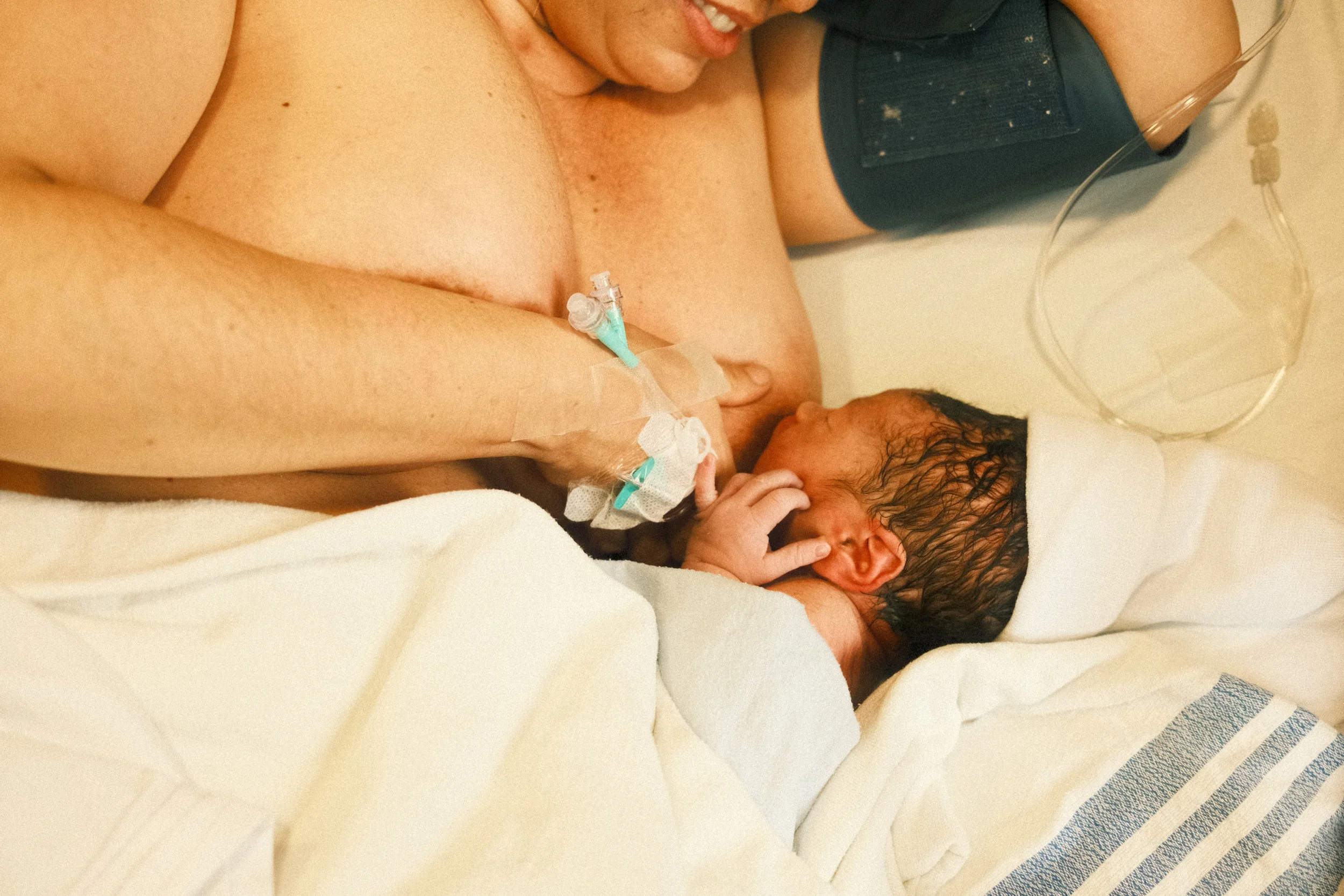
Your VBAC Questions, Answered
-
Yes. While spontaneous labour is ideal, many families have successful "mindful inductions" resulting in a VBAC. We use tools like a Foley bulb which does not increase the risk of uterine rupture the way some medications might.
-
Most Ontario hospitals (like RVH or HHCC) recommend continuous fetal monitoring for VBACs. We can request telemetry (wireless) monitoring so you can still move, use the birth ball, or walk the hallways while being monitored.
-
Many midwives in the Southern Georgian Bay area support "labouring in water" for VBACs. While the actual birth may need to happen outside the tub for monitoring purposes, the hydro-endorphin effect is a fantastic tool for VBAC success. If a waterbirth is a strong desire for your VBAC, I help you advocate to stay in the water for delivery if there are no red flags present prior to pushing.
-
Yes. To be a candidate for a VBAC in Ontario, your previous incision must have been a low-transverse uterine incision(the most common type). If you had a "classical" (vertical) incision or certain types of extensive uterine surgery (like a myomectomy), the risk of uterine rupture is significantly higher, and a repeat C-section is usually recommended for safety. We can review your operative report together during a prenatal session to ensure you have the correct information.
-
Many repeat C-sections are triggered by "failure to progress"—often just a sign that the baby needs a little help navigating the pelvis. Drawing on my yoga and spinning babies background, we use gravity-positive positions (like forward-leaning inversions or asymmetrical lunges) to keep the pelvis mobile. By keeping the baby off the scar and moving downward, we maximize the efficiency of your surges and reduce the likelihood of "stalling."
-
Collaborative, honest, and straightforward. We're here to guide the process, bring ideas to the table, and keep things moving.
-
Suspected "macrosomia" (a large baby) is a common reason providers suggest a repeat C-section, but ultrasound weight estimates can be off by as much as 15-20%. Evidence suggests that a suspected large baby alone is not a contraindication for a VBAC. We use Mindfulness Meditation to stay grounded during these weight-estimate discussions, focusing on your body’s physiological capability rather than estimated numbers.
-
Both options have risks and benefits. While a repeat C-section is a controlled surgical event, it carries the risks of major surgery (infection, longer recovery, placental issues in future pregnancies). A successful VBAC has the lowest risk of complications for both parent and baby. My role is to help you weigh these VBAC statistics against your personal health history so you can make the choice that feels safest for your family.
-
Yes. In Ontario, Midwives are primary care providers who are trained to support HBAC. The College of Midwives of Ontario (CMO) provides specific clinical practice guidelines for "Vaginal Birth After Caesarean Section." If you are under the care of a midwifery team in Collingwood, Barrie, or Orangeville, you can discuss the possibility of a homebirth, provided your pregnancy remains low-risk and you meet the criteria for a safe TOLAC.
What are the safety requirements for a homebirth VBAC?
To plan an HBAC, midwives typically look for the following:
One previous low-transverse incision: Just like in a hospital setting, your surgical history is the first check.
Proximity to a hospital: You must live within a safe driving distance of a hospital with 24/7 surgical capabilities (such as CGMH, RVH, or Headwaters) in case a transfer is needed.
Spontaneous Labour: Most HBACs are only supported if labour begins on its own. If an induction is required, the birth would typically transition to the hospital.
Informed Consent: A deep, documented discussion with your midwives regarding the 0.5–0.9% risk of uterine rupture and the logistics of a hospital transfer.
How does a doula support an HBAC differently than a hospital VBAC?
In a home setting, my role as your "Safety Nest" is to protect the environment.
The "Birthing Cave": I use my music background and waterproof twinkle lights to create a sensory space that keeps your oxytocin high.
Hydrotherapy: Since I am waterbirth trained, I help you utilize your own tub or a Birth Pool Rental to manage surges. Water is one of the most effective tools for an unmedicated VBAC.
Vigilance & Calm: While your midwives monitor the clinical safety (foetal heart tones and maternal vitals), I focus on your mindfulness anchors, ensuring you stay present and rhythmic.
What happens if we need to transfer to the hospital?
Transferring from a homebirth is not a "failure"—it is a proactive tool for safety. If your midwives notice any signs of concern (such as changes in the foetal heart rate), we move to the hospital. Because I am also a Childbirth Educator, I help you navigate that transition smoothly. I stay with you during the transfer, ensuring your birth preferences travel with us to RVH, CGMH, or Headwaters, and I continue providing massage in labour once we are settled in the hospital room.
Why do some families choose HBAC over a hospital VBAC?
Families often choose HBAC to avoid the "cascade of intervention" that can sometimes happen in a clinical setting. Being in your own environment in Stayner, Wasaga Beach, or Caledon allows for:
Uninterrupted Movement: No wires or monitors restricting your ability to use yoga-based positioning.
Lower Stress: For some, the hospital environment triggers adrenaline (fight-or-flight), which can stall labour. Home provides a sense of safety that encourages progress.
Personalized Care: You have the 1-on-1 support of your midwives and the continuous "anchor" of your doula in a space you control.
-
The "microbiome" is the complex ecosystem of bacteria, fungi, and viruses that live in and on our bodies, playing a critical role in our immune system and digestion.
The "Seeding" Process: During a vaginal birth, as the baby passes through the birth canal, they are "seeded" with their parent’s beneficial bacteria (specifically Lactobacillus).
The First Inoculation: This exposure acts as the baby's first "natural vaccine," colonizing their gut and skin with the microbes necessary to train their developing immune system.
The C-Section Contrast: Babies born via C-section are often first colonized by bacteria found in the hospital environment or on the skin, which can lead to a different microbial diversity in the first few months of life.
What are the long-term health implications of this "seeding"?
While the microbiome eventually stabilizes as a child grows, evidence suggests that the initial "seeding" from a VBACmay offer protective benefits, including:
Lower Risk of Allergies & Asthma: A diverse early gut microbiome is linked to a more robust immune response.
Improved Digestive Health: Beneficial bacteria help the baby break down the complex sugars in breast milk (oligosaccharides), potentially reducing instances of colic or digestive upset.
Metabolic Health: Some research indicates that the early microbial environment can influence long-term metabolic health and weight regulation.
Can I still support my baby’s microbiome if I have a repeat C-section?
Absolutely. If a repeat C-section is the safest path for your family at RVH or Headwaters, there are still ways to support your baby’s gut health:
Immediate Skin-to-Skin: This allows the baby to be colonized by your skin bacteria rather than the hospital’s.
Exclusive Breastfeeding: Breast milk contains prebiotics that "feed" the beneficial bacteria your baby already has.
"Seeding" Discussions: Some families discuss "vaginal seeding" (using a swab) with their OB or Midwife, though this should always be done under professional clinical guidance.
How does a doula help with the microbiome "Golden Hour"?
Whether you have a VBAC at home or in the hospital, I protect your "Baby Bubble." I ensure that the Golden Hourremains undisturbed, facilitating immediate skin-to-skin and the first feeding. By keeping the environment calm and rhythmic through mindfulness and music, I help ensure your baby’s nervous system is in a state of "rest and digest," which is the optimal state for their new microbiome to begin its work.
Prepare for Your Empowered VBAC
Ready to discuss your specific history and goals? Whether you are in Collingwood, Orangeville, or Barrie, I am here to help you navigate the evidence and find your rhythm.